Innovation &
Design Thinking
Equip students with the most sought-after skill of the 21st century — the ability to spot problems, empathise with users, and build creative solutions that actually work.
Think like a Designer. Build like an Innovator.
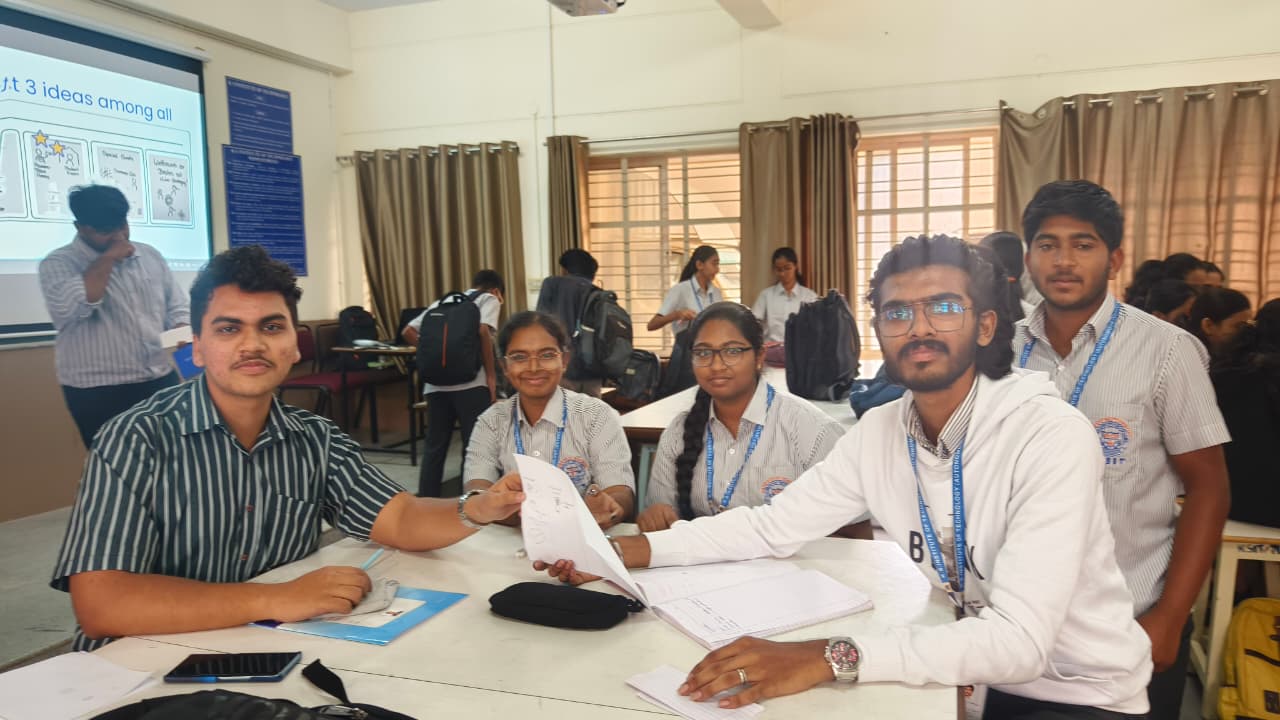
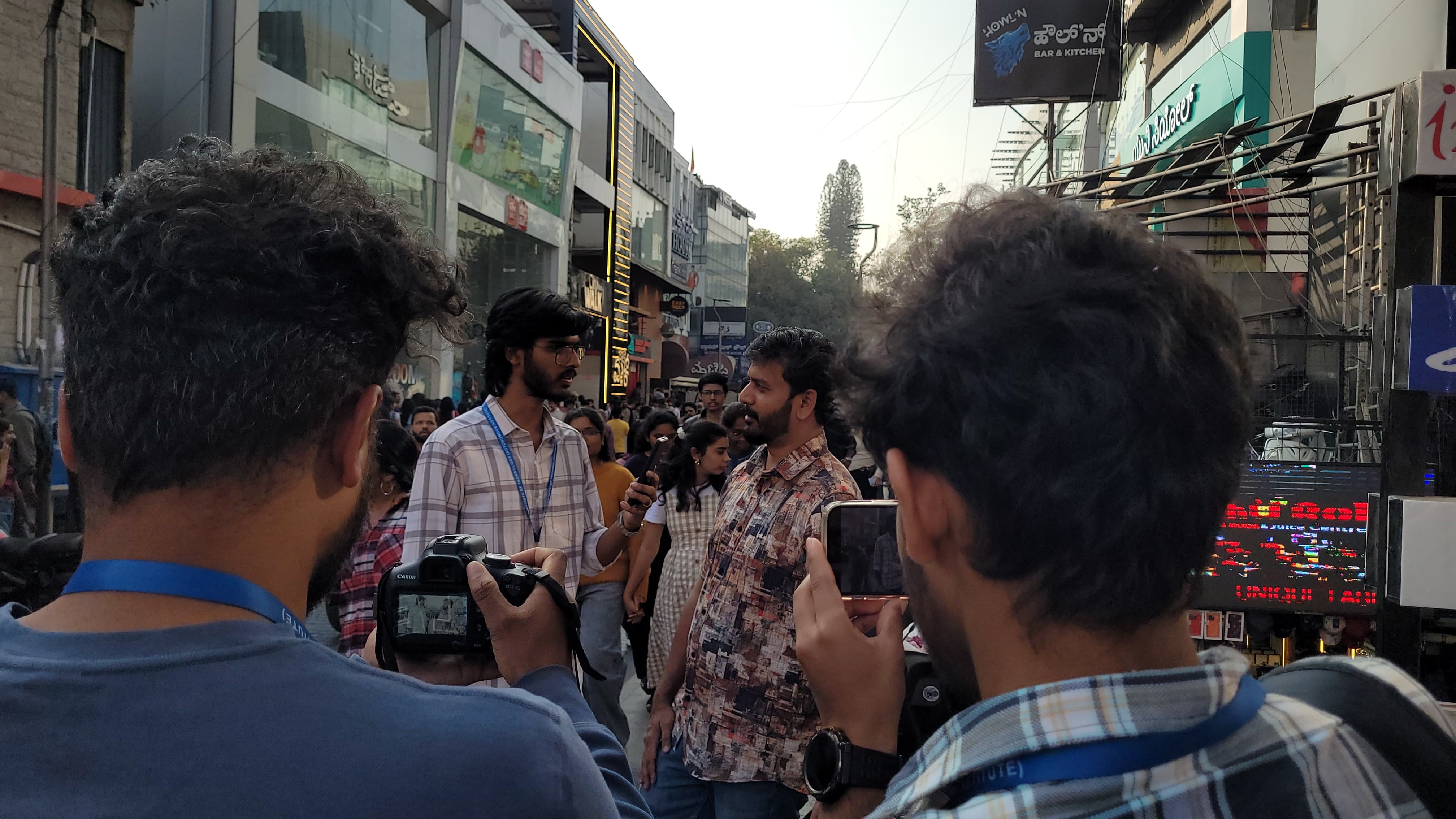
Innovation & Design Thinking is an experiential 12-week program that takes students through the five stages of design thinking—Empathize, Define, Ideate, Prototype, and Test—applied to real community challenges. Students don't just learn theory; they visit communities, interview stakeholders, and build working prototypes that are validated with real users.
The program is facilitated by industry practitioners, academic mentors, and community leaders who co-create the learning journey with students—ensuring every insight is grounded in lived experience.
- Hands-on design sprints every week
- Industry expert guest sessions
- Community immersion & field visits
- Prototype & pitch to real stakeholders
.jpeg)
The 5 Stages of Design Thinking
Empathize
Understand the human needs behind the problem through interviews, observation & immersion.
Define
Synthesise research findings into a sharp, actionable problem statement.
Ideate
Generate hundreds of creative ideas through brainstorming, SCAMPER, and divergent thinking.
Prototype
Build rapid, low-cost prototypes to make ideas tangible and test assumptions quickly.
Test
Validate solutions with real users, gather feedback, and iterate toward a refined product.
Program Syllabus
Foundations of Design Thinking & Empathy
Introduction to human-centred design, empathy mapping, and stakeholder interviews to uncover unmet needs.
Problem Framing & Insight Synthesis
Translating raw observations into actionable insights using How Might We statements and affinity mapping.
Creative Ideation Techniques
SCAMPER, mind mapping, crazy-8s, and other divergent thinking tools to generate breakthrough ideas.
Rapid Prototyping & MVP Building
Paper prototypes, wireframes, and physical models—moving from concept to tangible artefact in hours.
User Testing & Iterative Refinement
Structured user testing protocols, feedback loops, and pivoting strategies to reach a validated solution.
Capstone: Pitch to Community Stakeholders
Teams present their final solution to a panel of community leaders, industry mentors, and investors.
Pre-requisites
Open to all streams. No prior design or tech knowledge required — curiosity and a willingness to learn is enough.
Course Includes
- 5 Design Sprints
- 3 Community Field Visits
- 4 Expert Masterclasses
- 1 Capstone Project & Pitch
- Digital Portfolio of Work
- Course Certificate
Student Showcases
See how Ideonix students have used design thinking to solve real community problems.
.jpeg)
.jpeg)